
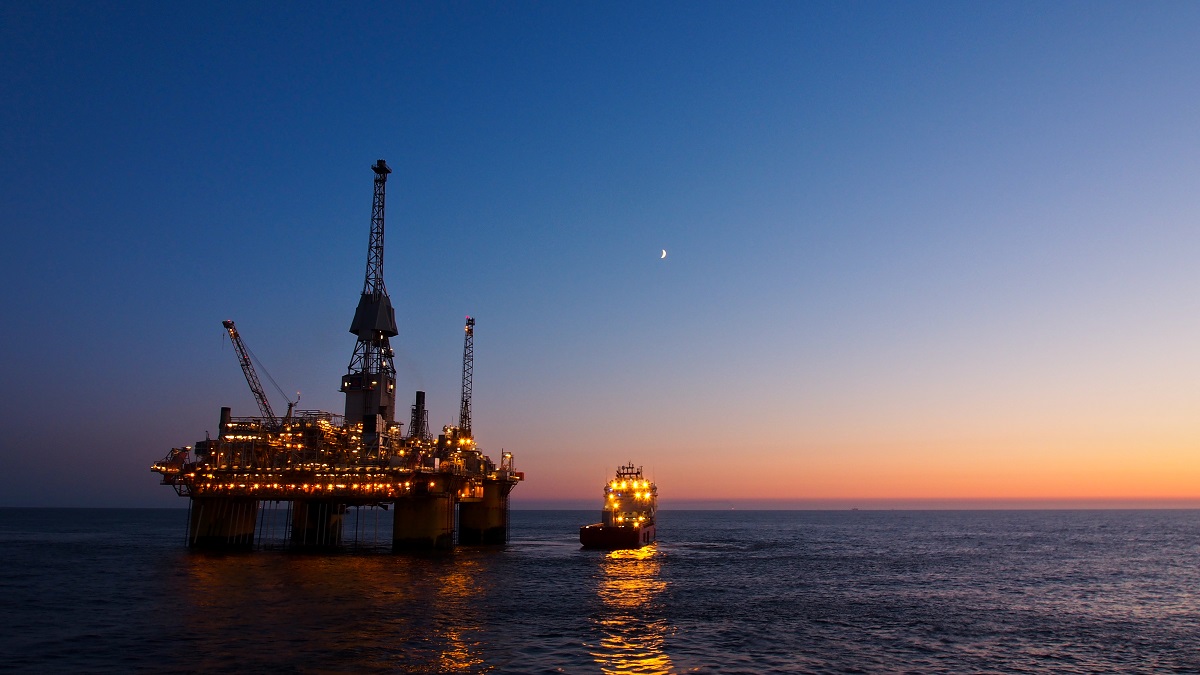
TotalEnergies Chairman Patrick Pouyanné assured on Tuesday (17) that safety conditions are in place for operations to continue in Area 1 of the Rovuma Basin, in Cabo Delgado Province, in the northern region of the country, reiterating that the Mozambique LNG Project “will never stop again.”
“Security is good today, and we will continue to work. You can be sure that this project will never stop. We are here to make it a reality, not only for Mozambique but also for Europe and the world,” he stated after a meeting in Brussels with the head of state, Daniel Chapo.
Quoted in a Lusa report, Pouyanné emphasized that the megaproject will now continue to be developed for gas exploration in the Rovuma Basin, promising to return to Mozambique to monitor its progress.
“As you know, we are building the project, and I will likely go to Maputo at some point to continue our discussions. It is very important to maintain a good relationship between the President of Mozambique and TotalEnergies, because this is a massive investment of $20 billion. As such, we must be in sync and regularly review progress,” he emphasized.
Speaking at an event in Maputo, Jean-Pascal Clémençon, the CEO of Mozambique LNG, announced that the company plans to spend approximately $4.5 billion on contracting services from Mozambican companies, as well as to employ 7,000 local workers.
According to Clémençon, local suppliers will also be contracted in the areas of logistics and transportation, marine and offshore operations, facilities management and catering, health, safety, and the environment, emergency services, and office or information and communication technologies, among others. “Mozambique LNG is just one of the first LNG projects, but there will be others to follow. As such, we believe it is very important to build and strengthen Mozambique’s industrial sector.”
The Mozambique LNG Project on the Afungi Peninsula, in the district of Palma, was relaunched in January at a public ceremony attended by Daniel Chapo and Patrick Pouyanné, following a five-year hiatus.
On that occasion, the head of state clarified that the resumption of the project will have a direct and significant impact on job creation, both during the construction and operational phases, contributing to the revitalization of the labor market and the training of the national workforce.
“The resumption of the Mozambique LNG Project opens up new and significant business opportunities for micro, small, and medium-sized enterprises, strengthening local content, economic inclusion, and the development of national value chains,” said Daniel Chapo.
The official also highlighted the direct benefits for local communities, emphasizing that integrating local populations into supply chains is one of the project’s central pillars.
Project extension for another four and a half years
In November, the government decided to extend the concession term for the liquefied natural gas (LNG) megaproject by four and a half years, rejecting TotalEnergies’ initial proposal, which had requested ten years.
The French oil company’s request was made as compensation for losses accumulated during the four-year forced suspension of activities, estimated at $4.5 billion. The information is contained in a letter sent by Patrick Pouyanné to the President of the Republic, in which the decision to lift the “force majeure” clause—activated in 2021 following the armed attacks in Cabo Delgado—was also announced.
According to a source cited at the time by Lusa, a resolution was approved at a meeting of the Council of Ministers that established the reinstatement of the suspended period of the LNG project due to “force majeure,” ensuring “the reset of the 30-year development period and preserving, in accordance with the law, the elements of the initial development plan.”
The resolution also defined the “need to assess all expenses incurred during the ‘force majeure’ period with technical rigor and transparency, ensuring the protection of the public interest and contractual predictability through an independent audit—which includes the right to be heard—prior to the approval of the final report.”
Approval of Conditions for Safe Resumption of Activities
Last year, TotalEnergies considered that the safety conditions for the full resumption of the Mozambique LNG Project had been met. In a document, the concessionaire “respectfully” requested that the Executive authorize the extension of the Development and Production Period for the Golfinho-Atum field for an additional decade, emphasizing that such a measure would allow for “partial compensation for the economic impact” caused by the prolonged interruption of operations.
The letter, released by the Lusa news agency, also mentioned the need to “optimize the financial obligations” of the National Hydrocarbons Company (ENH), the Mozambican state-owned partner in the consortium led by TotalEnergies.
As a final condition before relaunching the project, the concessionaire stated that it is awaiting government approval of an addendum to the Development Plan, which includes a revised budget and timeline. According to the oil company, the update reflects the additional costs incurred due to events classified as “force majeure,” totaling the aforementioned $4.5 billion.
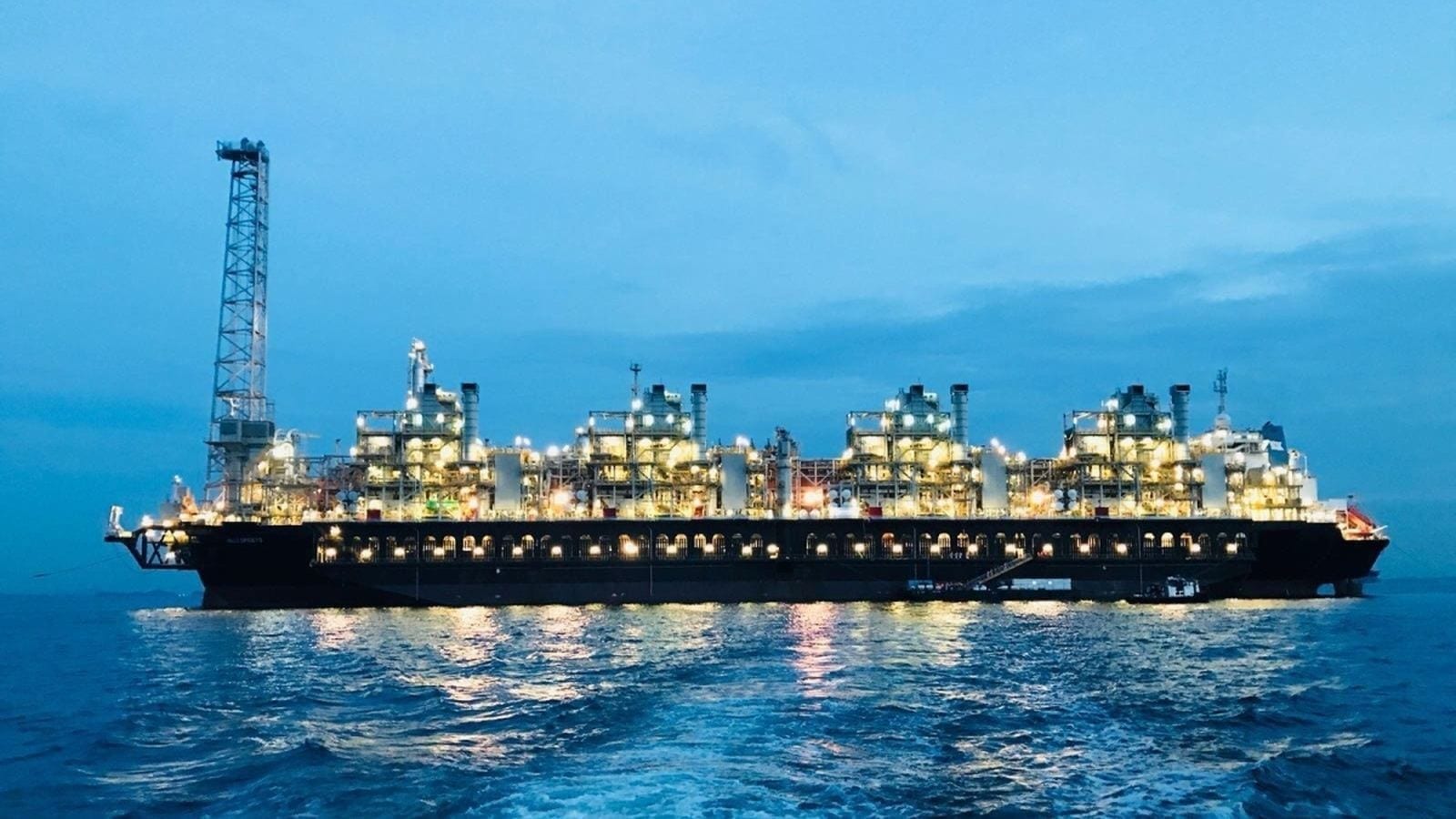
Patrick Pouyanné noted that between 2021 and 2024, the government conducted an audit of the financial consequences of the suspension, and the company expects to receive the report “as soon as possible.”
According to the letter, the prolonged period of inactivity had a direct impact on the project’s timeline, postponing the first delivery of Liquefied Natural Gas to the Afungi facility—initially scheduled for July 2024—to the first half of 2029. Consequently, the Development and Production Period will be extended by an additional four and a half years.
Information on Mozambique LNG
The Mozambique LNG project represents an investment of approximately $20 billion and is considered the largest private venture currently underway in the country. Estimated production is 13 million tons of LNG per year, with development already at about 40%, according to data provided by TotalEnergies.
In addition to TotalEnergies, the consortium includes companies such as Japan’s Mitsui, Mozambique’s ENH, Thailand’s PTT, and India’s ONGC, Bharat Petroleum, and Oil India. The contractor responsible for construction is CCS JV, a consortium formed by Saipem, McDermott, and Chiyoda.
Mozambique has three approved development projects for the exploitation of natural gas reserves in the Rovuma Basin, ranked among the largest in the world, all located off the coast of Cabo Delgado province.
A study by the consulting firm Deloitte indicates that Mozambique’s vast natural gas reserves could generate up to $100 billion in revenue by 2040, making the country one of the world’s ten largest producers and accounting for 20% of Africa’s LNG production.


